Buying Art with Confidence: What Collectors Should Consider


Every year, Art Basel brings together collectors, galleries and art professionals from around the world, offering a unique opportunity to discover and acquire significant works by internationally renowned artists. Between exhibition visits, preview events and conversations with galleries, purchasing decisions are often made under considerable time pressure.
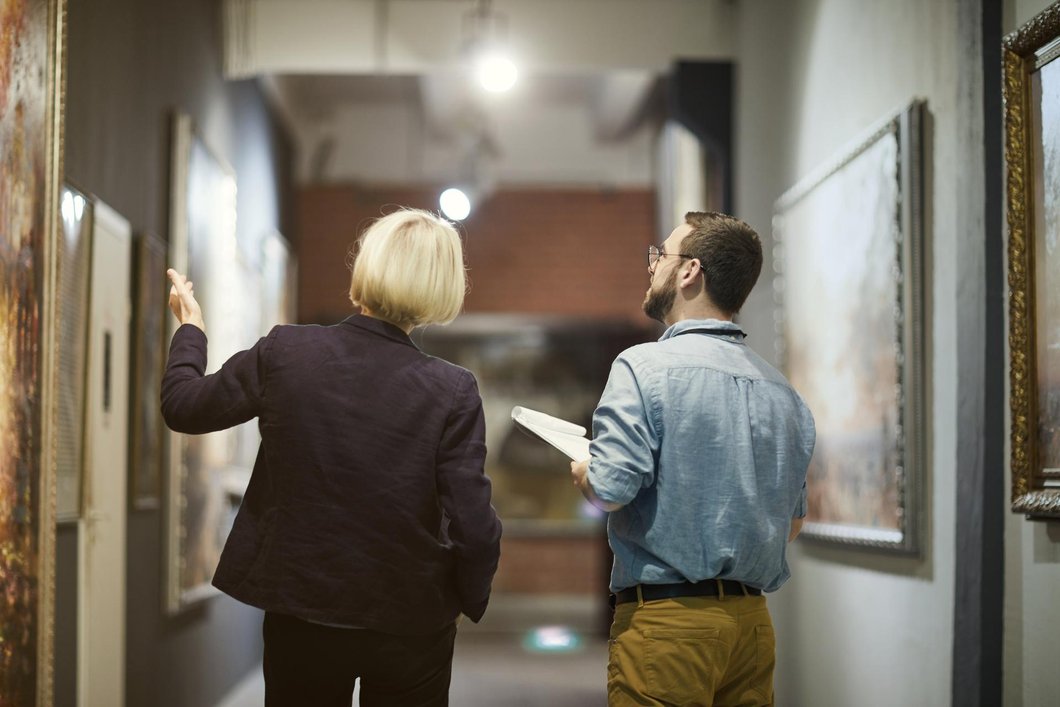
While passion and personal conviction are essential elements of collecting, acquiring a work of art involves much more than the purchase itself. Conducting appropriate due diligence – a structured review of the artwork, its provenance, supporting documentation and other potential risk factors – helps identify risks at an early stage and provides a solid foundation for informed decision-making.
Below, we outline five key considerations collectors should keep in mind before acquiring a work of art.
1. Understand the Artwork
Before making a purchase decision, collectors should seek to gain a comprehensive understanding of the artwork. In addition to basic information such as the artist, title, date of creation, medium and dimensions, exhibition and publication histories can provide valuable context and help position the work within an artist’s broader oeuvre.
Particular attention should be paid to provenance – the documented ownership history of an artwork. A well-documented provenance provides transparency regarding the origin of a work and can help identify potential risks at an early stage.
2. Verify Authenticity
Authenticity is one of the most important aspects of any acquisition. Where available, certificates issued by the artist, gallery or recognized experts should be reviewed. Inclusion in a catalogue raisonné may also provide additional reassurance.
Supporting certificates, expert opinions and other documentation should likewise form part of the assessment. For significant or high-value works, obtaining an additional independent review may be advisable.
3. Consider Regulatory Requirements
The international art market is increasingly shaped by regulatory considerations. Depending on the origin, material or age of an artwork, different legal and regulatory requirements may apply.
Particular attention should be given to cultural property with potentially sensitive provenance, as well as works incorporating materials derived from protected animal or plant species. In such cases, collectors should proactively ask the gallery for relevant certificates, export permits or other supporting documentation. International sanctions regulations may also be relevant depending on the origin of the work or the parties involved.
4. Understand Location, Transportation and Customs Considerations
Acquiring a work of art at Art Basel is often only the first step. Once the purchase has been completed, attention turns to ensuring that the artwork reaches its final destination safely and seamlessly.
Particularly in cross-border transactions, it is advisable to clarify at an early stage where the artwork will be shipped from, and which customs or tax requirements may apply. Depending on the countries involved, customs duties, import taxes or other regulatory obligations may affect the transaction process.
Transportation, insurance and the professional handling of the artwork should also be planned well in advance. Early coordination with the gallery and the relevant specialists can help avoid unnecessary delays and additional costs.
5. Review Condition and Documentation
The condition of an artwork has a direct impact on both its value and its long-term preservation. Before proceeding with an acquisition, collectors should determine whether a current condition report is available and whether any previous conservation or restoration work has been documented.
Equally important is maintaining comprehensive transaction documentation. Invoices, purchase agreements, certificates of authenticity and other relevant records should be retained carefully, as they may be important for insurance purposes, future sales or succession planning.
Deciding with Confidence
Acquiring a work of art is often more than a financial decision – it reflects personal passion, cultural interest and long-term commitment. Appropriate due diligence provides the transparency needed to make informed decisions and identify potential risks at an early stage.
The considerations outlined in this article offer collectors practical guidance when acquiring artworks at international art fairs such as Art Basel. Our
Art Transaction Due Diligence Checklist
helps you systematically review key information, documentation and potential risk factors – whether you are considering a purchase at Art Basel or planning future acquisitions.
Should you have questions or require support with the acquisition, management or further development of your collection, the KENDRIS Art Management Team will be pleased to assist.